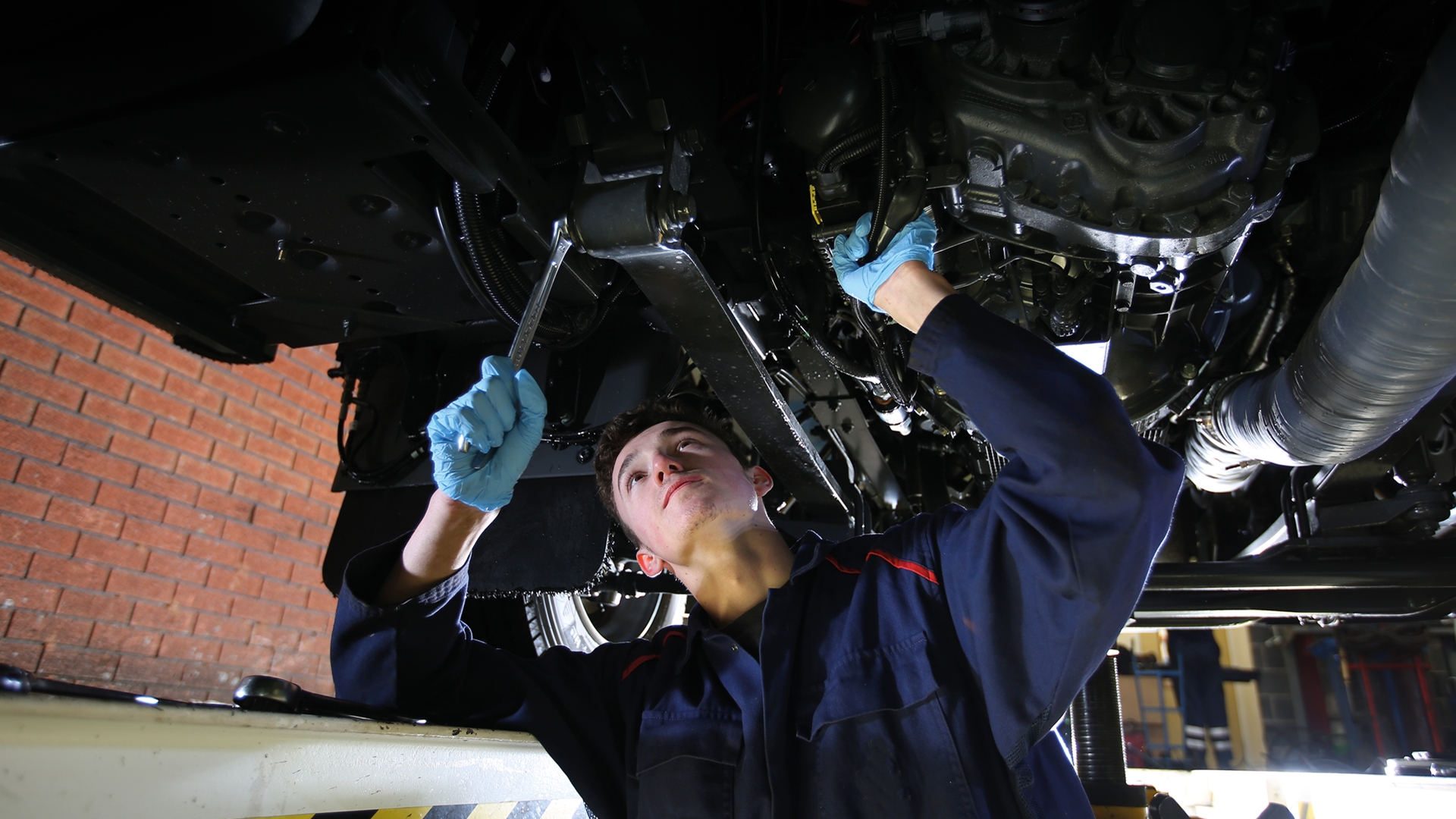
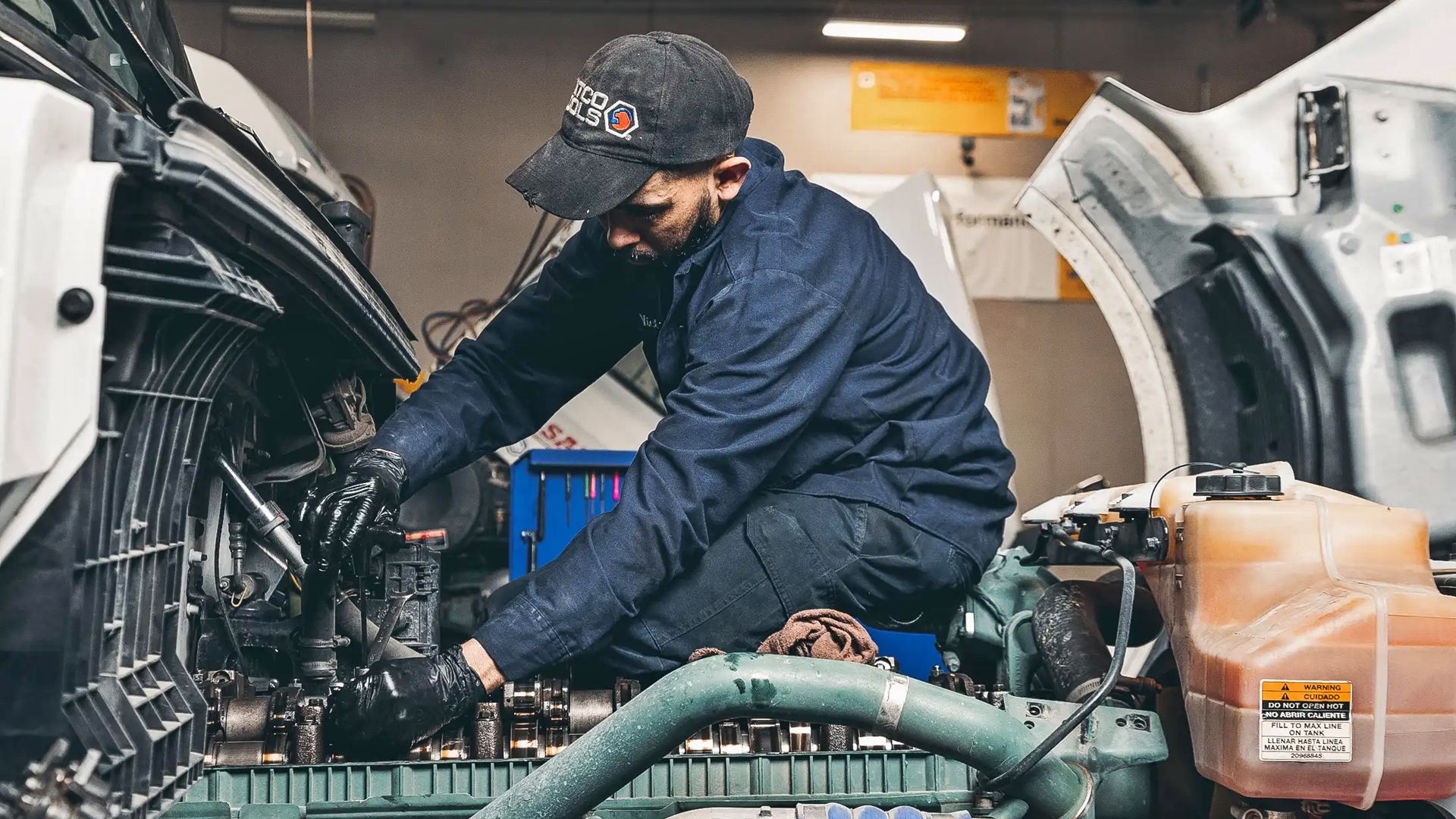
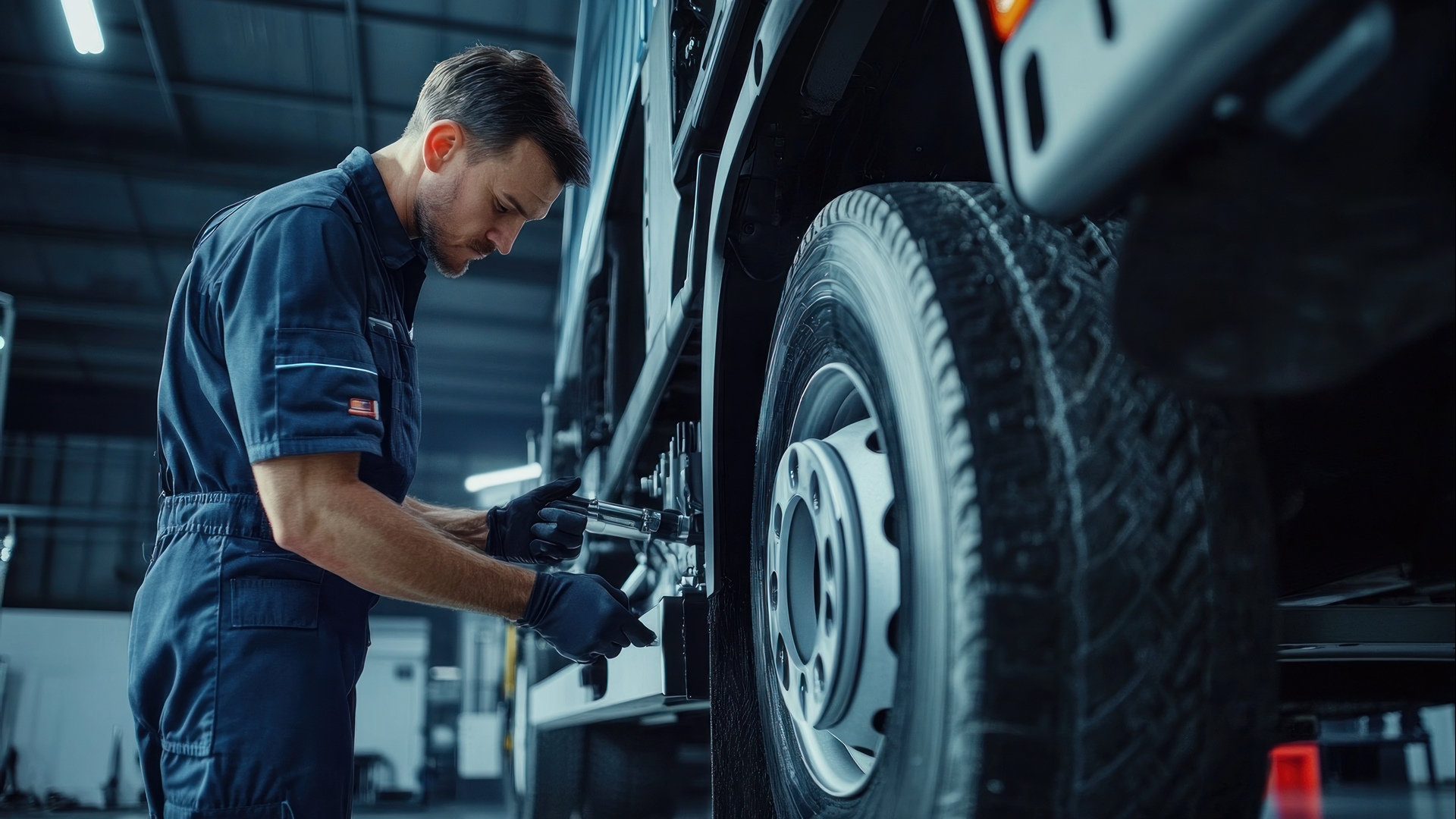
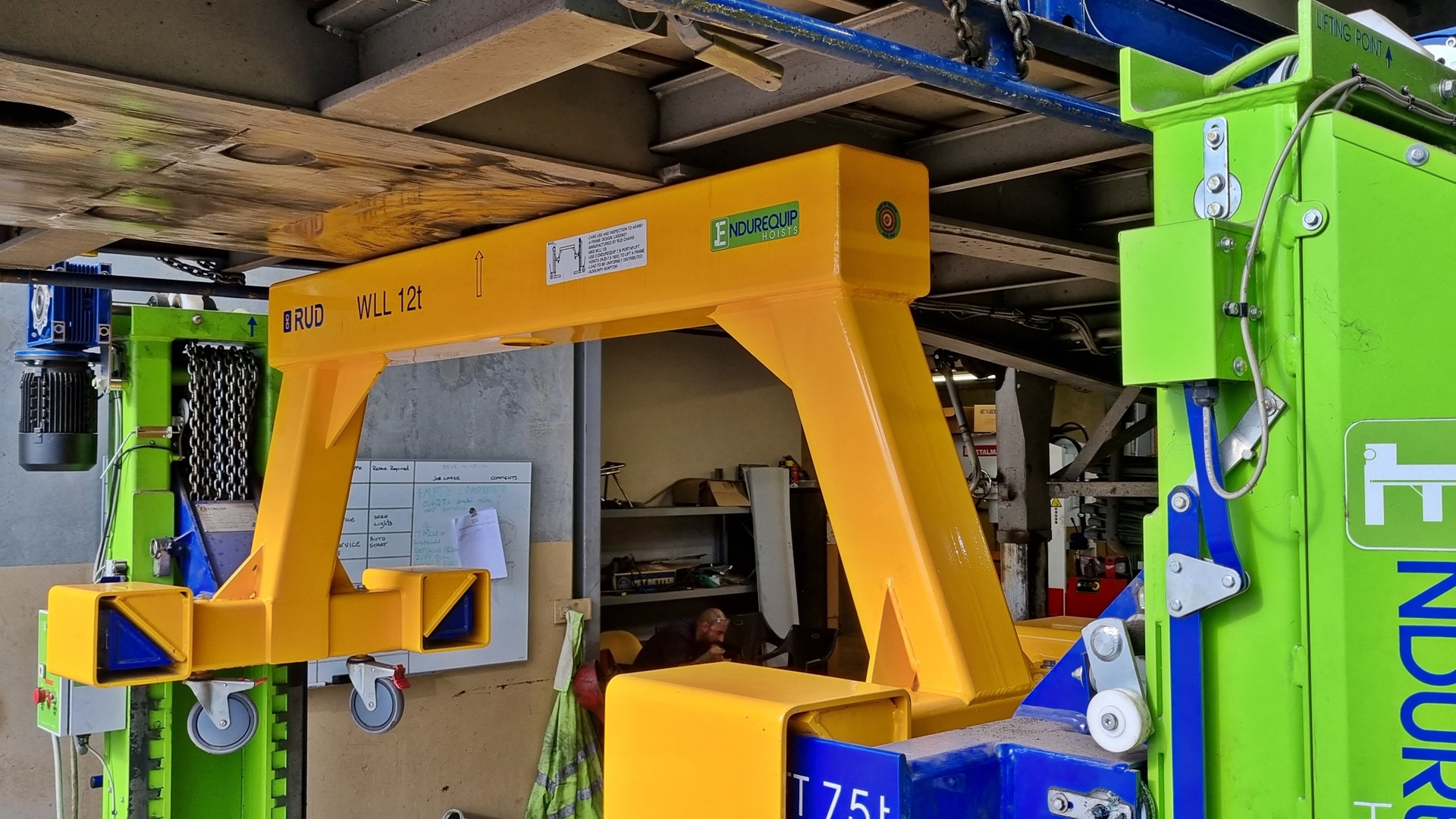
Safety should be non-negotiable in any mechanical workshop that has heavy equipment for lifting and moving vehicles. The daily tasks of mechanics involve high risks when servicing or repairing large vehicles. In addition, manual tasks become complicated due to the weight and size of trucks, buses and other commercial vehicles. Hence, it is critical to follow safety protocols and ensure that staff are well-trained on the equipment.
This article explores how workshop handling equipment, such as heavy vehicle hoists and accessories, can influence the safety, efficiency and productivity of a smooth workshop environment.
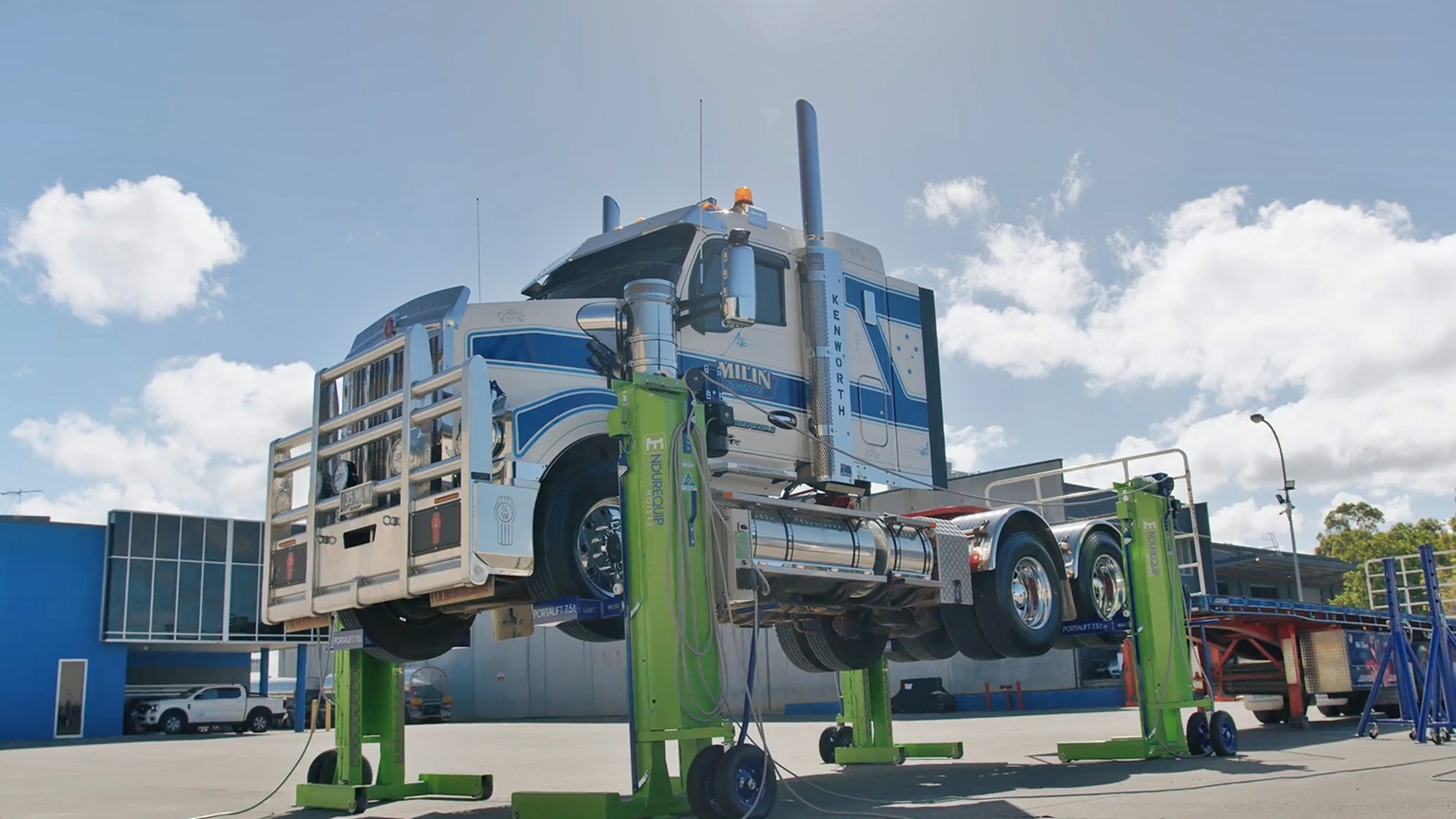
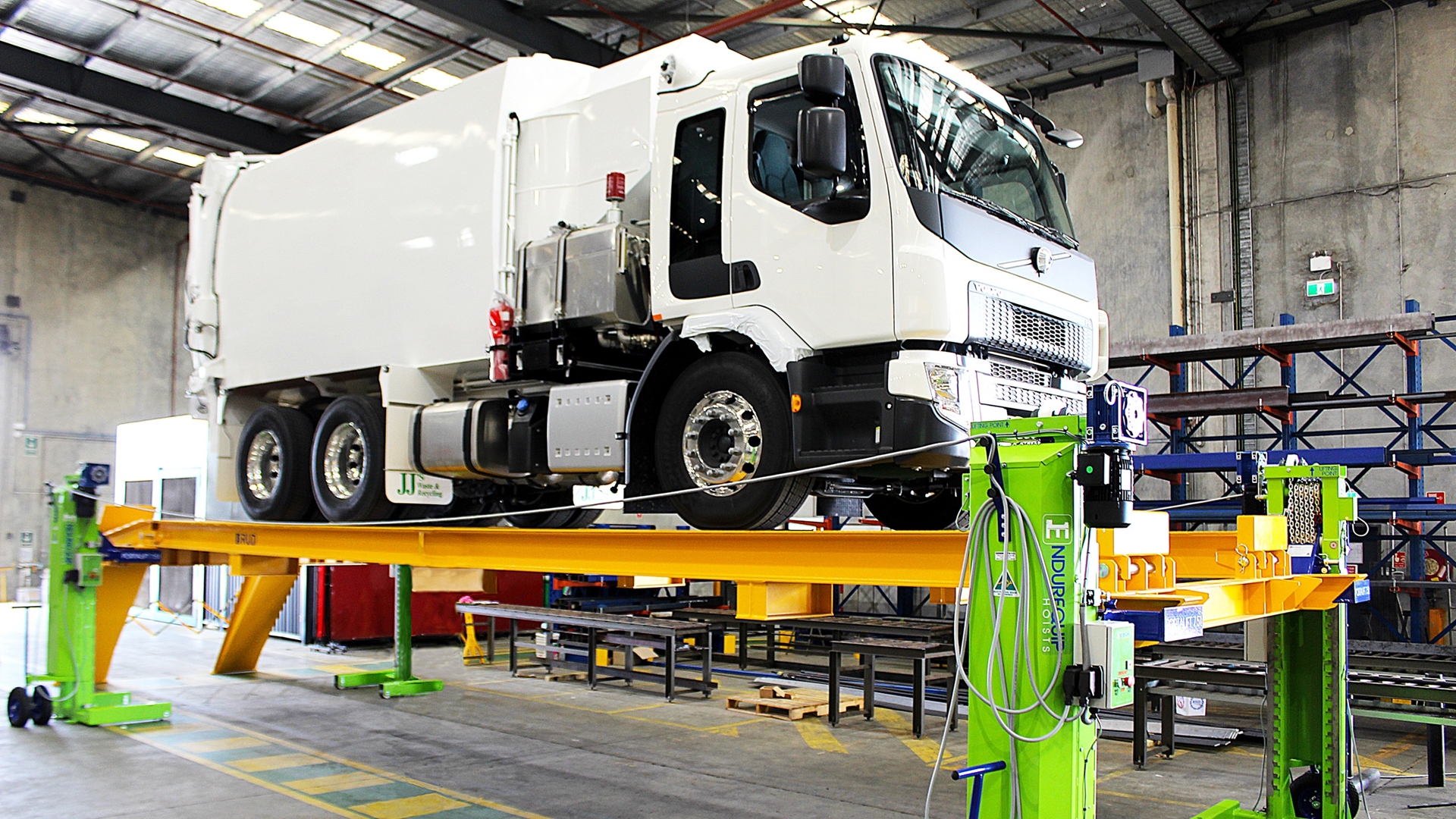
The Role of Heavy Vehicle Hoists
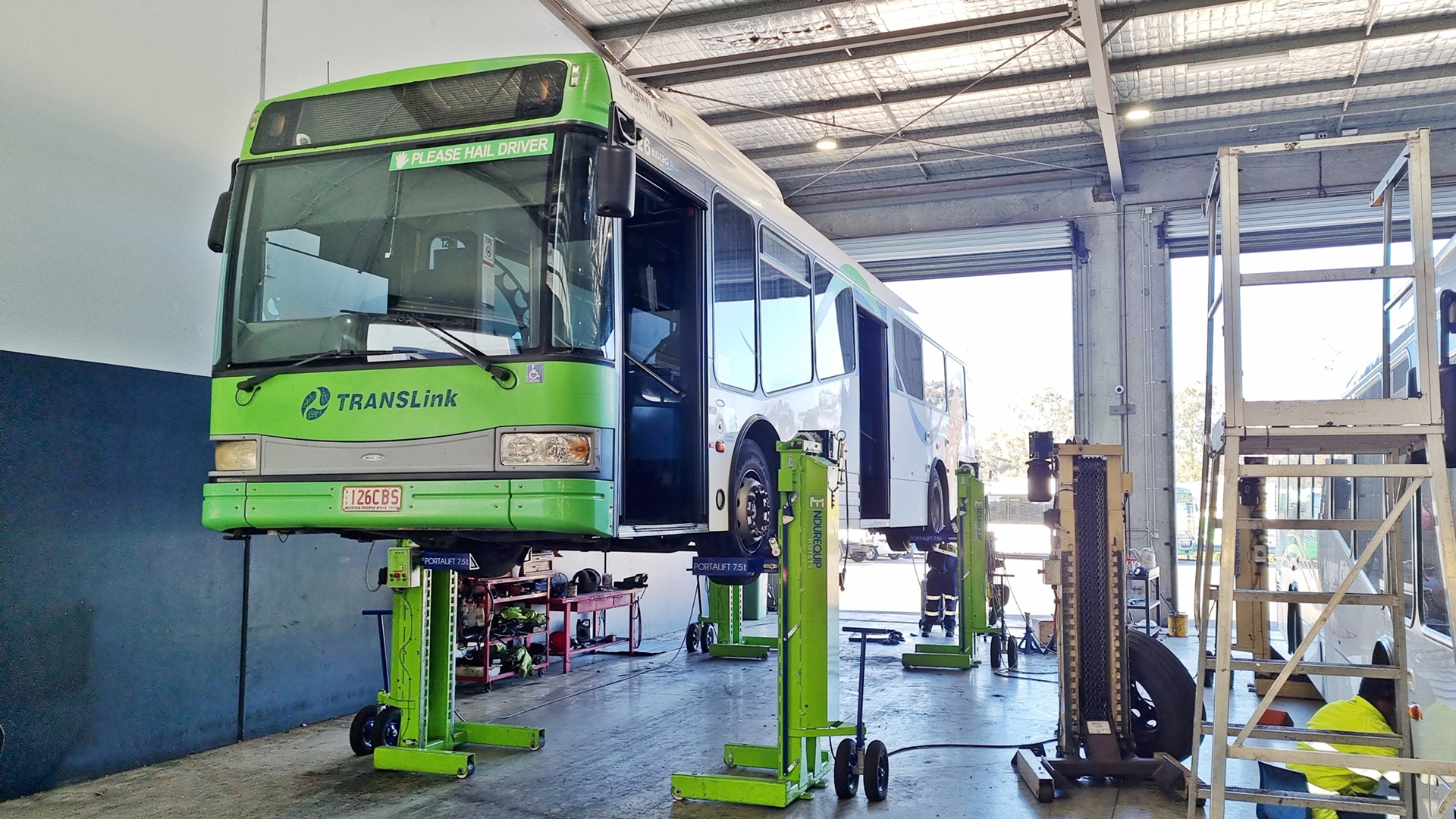
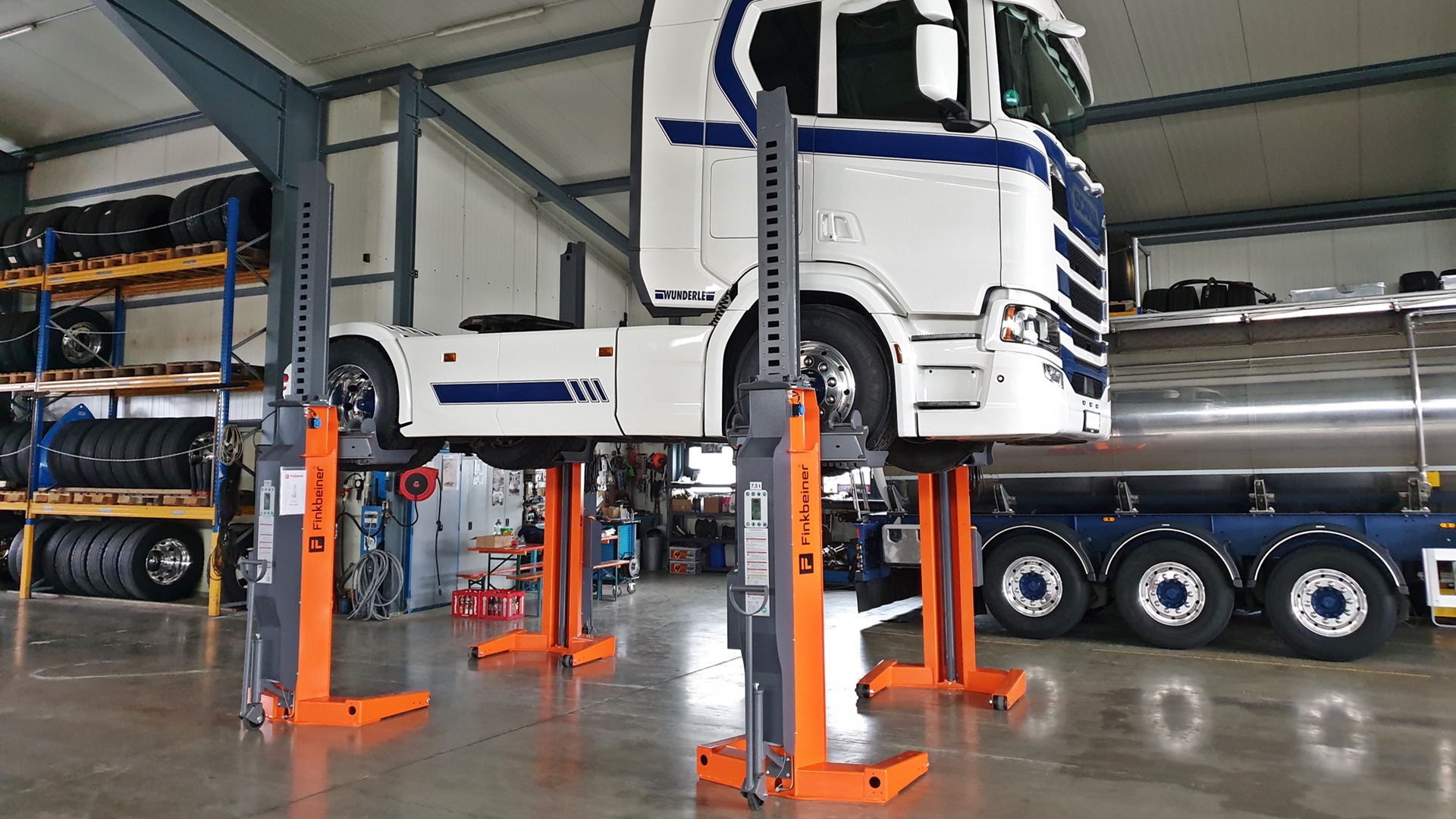
Lifting heavy vehicles has potential risks that can lead to injury if not managed correctly. Outdated and unsafe methods or improper equipment can lead to accidents, making selecting a high-quality, fit-for-purpose vehicle hoist and accessories a critical business decision.
Main Types of Lifting Equipment:
Heavy Vehicle Hoist Manufacturers & Innovations:
These innovations of the above two companies are integral to a safety-first approach, reducing manual labour and minimising human error during a lift.
Essential Workshop Accessories for Safety and Efficiency
Beyond the hoist itself, workshop accessories also reduce risk and enhance productivity. While a hoist can be the primary lifting mechanism, accessories offer secondary support and expanded functionality, which are essential for comprehensive vehicle maintenance.
Secondary Support:
Enhanced Versatility & Functionality:
The above accessories allow a workshop to service a mixed fleet without needing multiple, expensive lifting systems, thereby optimising space and improving workflow.
Boosting Workshop Safety Beyond the Lift
The broad topic of workshop safety extends beyond lifting equipment, encompassing an approach to minimise hazards for mechanics.
Hazardous Manual Tasks (HMTs):
Safety Practices:
In Conclusion
Every heavy vehicle workshop needs to implement a safety-first policy. This can involve investing in high-quality, certified equipment and regular training for mechanics. The first step is choosing the right heavy vehicle hoist with a strong service network. In addition, the hoist systems should be complemented with workshop accessories, such as vehicle stands and adaptors, to ensure a reliable support system.
By integrating technology and adhering to safety guidelines, workshops can not only protect their most valuable assets - their employees, but also enhance productivity, streamline operations and solidify their reputation as a responsible business.
References:
For more information on robust, Australian-compliant heavy vehicle lifting solutions that empower your workshop, call us on 07 3809 1300.
Copyright to RUD: This information is accurate at the time of publication, and RUD Australia takes no responsibility for any errors, inadvertent or otherwise.